
Reef By Steele
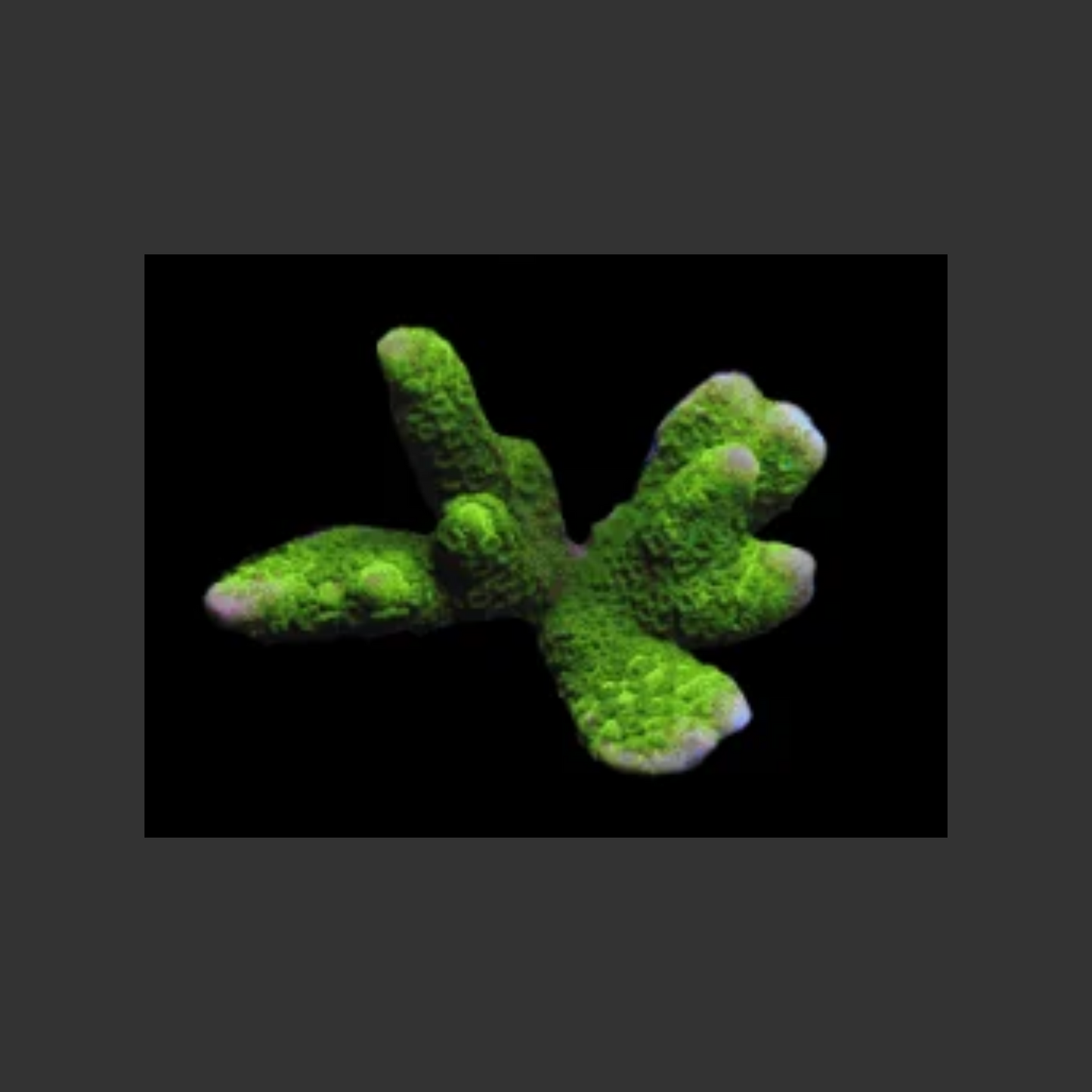
SDC Black Forest Montipora Digitata
SDC Black Forest Montipora Digitata
Couldn't load pickup availability
Introduction to Montipora
Montipora corals are a versatile and visually stunning genus of SPS (Small Polyp Stony) corals that are popular among reef enthusiasts. With over 80 species, Montipora showcases a wide range of growth forms, including plating, branching, encrusting, and even scrolling structures. Species like Montipora capricornis (Capricornis), Montipora digitata(Digitata), and Montipora setosa (Setosa) are among the most recognized and sought after in the reefing world.
Montipora are considered more forgiving than Acropora, making them an excellent choice for reefers looking to expand into SPS corals. Their vibrant colors, from deep reds and greens to electric blues and purples, add a dynamic splash to any reef. However, they still require stable tank conditions to thrive and display their best coloration.
Location
Montipora corals are widely distributed across the Indo-Pacific region, including reef systems in Fiji, Tonga, the Great Barrier Reef, and the Maldives. They are typically found in mid to upper reef zones where light and flow are moderate to high, allowing them to adapt to a range of conditions.
In the wild, Montipora contribute significantly to reef structure and support a variety of small marine life. Their intricate growth patterns provide shelter for creatures such as gobies, crabs, and shrimp, making them a crucial part of reef ecosystems.
Water Chemistry
Montipora corals thrive in aquariums with stable and well-maintained water parameters. As one of the easier SPS corals to care for, they are more forgiving of parameter swings compared to other species, but consistent conditions are still essential for optimal health and growth:
- Calcium: 400-440 ppm
- Alkalinity: 8-9.5 dKH
- Magnesium: 1250-1350 ppm
- Nitrates: <10 ppm
- Phosphates: <0.10 ppm
- Temperature: 75-80°F
Montipora are known for their fast growth, making them a rewarding choice for reefers seeking to fill out their tanks quickly. Stable salinity (1.024-1.026) and pH levels (8.1-8.4) are crucial, as a healthy pH level supports their skeletal growth by helping the coral absorb calcium from the water. Regular testing and adjustments will help ensure a stable environment that supports long-term success.
Lighting
Montipora corals are adaptable and can thrive under a range of lighting conditions, from medium to high intensity. A PAR range of 100-250 is ideal, with brighter lighting helping to enhance their vibrant coloration. Lighting options such as LEDs, T5 fluorescent lights, or metal halides are suitable, provided the corals are gradually acclimated to prevent bleaching.
While deeper blue lighting emphasizes their coloration, a balance of spectrum and intensity promotes steady growth and health.
Water Flow
Montipora corals benefit from moderate to strong, variable water flow, mimicking the natural conditions of reef slopes and crests where they are typically found. Proper water movement helps deliver essential nutrients and remove waste, promoting healthy growth and vibrant coloration.
- High Flow: Encourages Montipora to develop spiral structures.
- Low Flow: Promotes a plating growth form.
What We Feed
Montipora corals primarily rely on photosynthesis through their symbiotic zooxanthellae, but supplemental feeding enhances their growth and coloration.
While in our care we use our exclusive Phyto Buffet Coral Delight blend, a nutrient-rich mix that includes:
- Tisochrysis
- Pavlova
- Rhodomonas lens
- Chaetoceros muerelli
- Chaetoceros gracilis
- Thalassisoria wiesflogii
- Phaeodactylum tricornium
In addition to our Coral Delight blend, we also feed BRIGHTWELL Coral Inertia NRG+ Fuel, providing a diverse range of nutrients to support healthy growth and vibrant coloration.
The fatty acids and amino acids in these foods help maintain vibrant coloration and promote healthy tissue development. While Montipora do not require frequent feeding, they can benefit from occasional target feeding with these fine-particle foods.
For best results, use a turkey baster to target-feed the coral, pausing circulation and return pumps for approximately 10-15 minutes to allow the coral to absorb nutrients effectively.
Coloration and Tank Maturity
Montipora corals are known for their vibrant coloration, which ranges from deep reds and oranges to electric greens and blues. Their colors can shift depending on water parameters, lighting spectrum, and flow conditions. Deeper blue lighting enhances coloration, while balanced lighting promotes steady growth and health.
Feeding with nutrient-rich foods, such as our Coral Delight blend and amino acid supplements, helps enhance Montipora’s pigmentation. Trace elements like iron and iodine also contribute to maintaining their vibrant hues, ensuring they remain a standout feature in your tank.
Montipora are fast-growing corals that quickly adapt to stable reef systems. With consistent care and optimal conditions, their striking colors and growth patterns make them a rewarding addition to any reef tank.
Common Challenges
Montipora corals are more forgiving than many SPS species, but they can still encounter challenges in certain conditions:
- Tissue Loss: Montipora are susceptible to tissue loss caused by unstable water parameters or pest infestations. Regularly inspecting your coral and maintaining stable conditions can prevent this issue.
- Pests: Montipora-eating nudibranchs are a common threat. Inspect new additions carefully and use coral dips to prevent introducing pests to your tank.
- Color Fading: Insufficient lighting, inadequate feeding, or low levels of trace elements can result in dull or faded coloration. Maintaining proper lighting intensity and providing supplemental nutrition can restore vibrant colors.
- Algae Overgrowth: Montipora with slower growth rates may struggle to compete with algae if nutrient levels are too high. Maintaining low nitrates and phosphates will help keep algae in check.
Acclimation Guide
Proper acclimation is essential for ensuring a smooth transition for Montipora corals into your reef system. These corals can experience stress from shipping or environmental changes, so following these steps will help them settle in successfully:
- Temperature Acclimation: Float the bag in your aquarium for 15-20 minutes to equalize temperature.
- Drip Acclimation: Gradually introduce your tank water to the coral.
- Lighting Acclimation: Gradually increase lighting intensity over 2-3 weeks to avoid bleaching.
- Placement: Mount the coral securely with moderate to strong water flow.
Share