
Reef By Steele
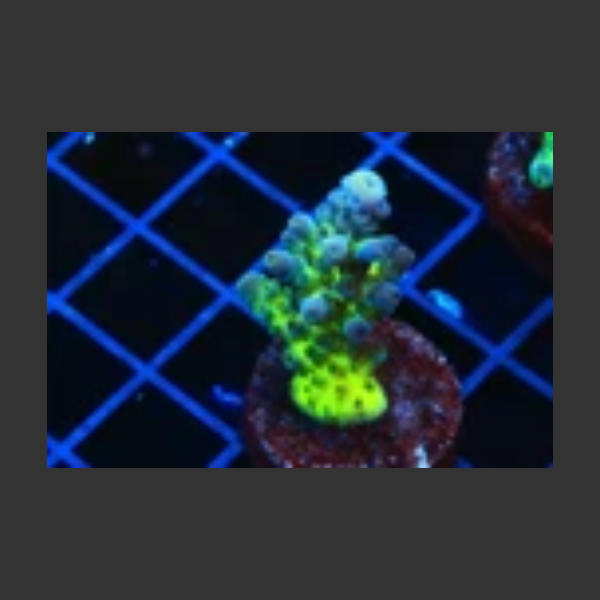
SDC Cali Tort Acro
SDC Cali Tort Acro
Couldn't load pickup availability
Introduction to Acropora
Acropora corals are the centerpiece of many advanced reef systems, boasting an incredible variety of species such as Acropora tenuis (Tenuis), Acropora formosa (Stag), Acropora millepora (Millie), and many more. Each species offers its own unique growth patterns, colors, and textures, with some of the most vibrant coloration found in the reefing world. While they require careful attention and stable tank conditions, Acropora reward dedicated reefers with dynamic growth and striking displays of color.
Location
Acropora corals are native to the vibrant reefs of the Indo-Pacific, including regions like Fiji, Tonga, the Solomon Islands, and the Great Barrier Reef. They are typically found in high-energy zones near reef crests and upper slopes, where strong currents deliver nutrients and maintain water clarity. In their natural habitat, Acropora provide shelter and structure for various small reef inhabitants, such as gobies, crabs, and shrimp, contributing to the reef's biodiversity.
Water Chemistry
Acropora corals thrive in aquariums with stable and pristine water conditions. They rely on consistent levels of essential elements to grow and maintain their skeletal structure:
- Calcium: 420-440 ppm
- Alkalinity: 8-9.5 dKH
- Magnesium: 1300-1450 ppm
- Nitrates: <10 ppm
- Phosphates: <0.10 ppm
- Temperature: 75-80°F
These parameters should remain stable, as Acropora are highly sensitive to fluctuations. Regular testing and adjustments are crucial for their long-term health. Proper salinity levels (1.025-1.026) and pH (8.1-8.4) are especially important because a healthy pH level not only helps Acropora absorb calcium to build their skeletons but also contributes to better health and faster growth.
Lighting
Acropora corals thrive under intense lighting, similar to the bright conditions of their natural reef environments. High PAR levels (200+ PAR) are ideal for maintaining their vibrant coloration and promoting healthy growth. Lighting options such as high-output LEDs, T5 fluorescent lights, or metal halides work well for Acropora, provided the corals are properly acclimated to avoid bleaching.
For optimal results, balancing the lighting spectrum is key:
- More White Light (10K-14K): Encourages faster growth but may yield less vivid coloration.
- Deep Blue Light (18K-20K): Enhances coloration but may slow down growth.
Gradual adjustments to light intensity are recommended to help the coral adapt without stress.
Water Flow
Strong and variable water flow is essential for Acropora corals, mimicking the high-energy environments of natural reef crests. Proper flow ensures that nutrients are delivered to the coral while waste is carried away, preventing buildup that can stress or damage the coral.
As Acropora colonies grow, their branching structure can alter the flow dynamics in your tank. Regularly auditing and adjusting flow patterns will help maintain optimal conditions.
What We Feed
While Acropora primarily rely on photosynthesis through their symbiotic zooxanthellae, they also benefit from supplemental feeding to enhance growth and coloration. While in our care we use our exclusive Phyto Buffet Coral Delight blend, a nutrient-rich mix that includes:
- Tisochrysis
- Pavlova
- Rhodomonas lens
- Chaetoceros muerelli
- Chaetoceros gracilis
- Thalassisoria wiesflogii
- Phaeodactylum tricornium
In addition to our Coral Delight blend, we also feed BRIGHTWELL Coral Inertia NRG+ Fuel, providing a diverse range of nutrients to support healthy growth and vibrant coloration. For best results, use a turkey baster to gently target-feed the coral and turn off circulation and return pumps for approximately 10-15 minutes. This allows the coral ample time to absorb nutrients effectively, promoting optimal health and stunning coloration.
Share