
Reef By Steele
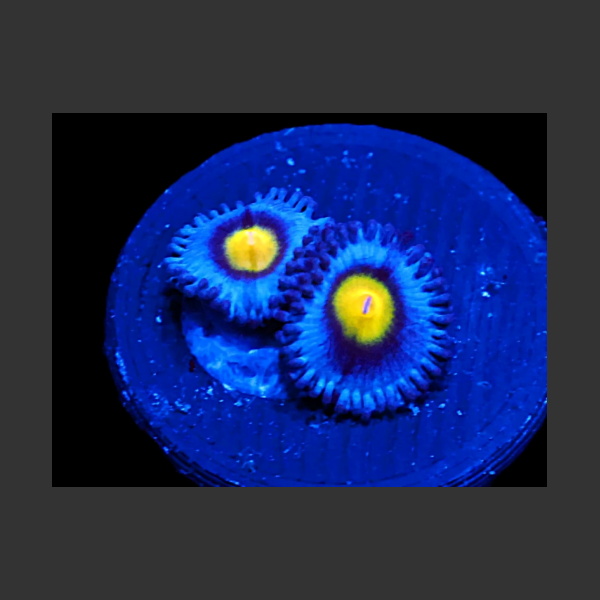
WWC AOI Zoa
WWC AOI Zoa
Couldn't load pickup availability
Introduction to Zoanthids
Zoanthids are one of the most popular corals in the reef-keeping hobby, admired for their vibrant, fluorescent colors and rapid growth. These soft corals form colonial mats of individual polyps, creating stunning carpets of color that can quickly transform reef aquariums. Popular varieties like “Rastas,” “Eagle Eyes,” and “Pandoras” showcase the incredible range of patterns and hues Zoanthids have to offer, making them a favorite among hobbyists of all experience levels.
Zoanthids are often grouped with their close relatives, Palythoa. While similar in appearance, Palythoa species tend to have larger polyps and thicker mat formations. A key distinction is the potential production of palytoxin, a potent toxin found in some Palythoa and Zoanthid species. This toxin can be harmful to humans and pets, so handling these corals with care is essential. Always wear gloves and eye protection when working with them, and avoid exposing them to high heat, which can release toxins into the air.
Known for their adaptability, Zoanthids thrive in a variety of tank setups. Their ability to grow quickly and form colorful colonies makes them an excellent choice for adding visual interest and texture to your reef.
Location
These soft corals are found in shallow reef environments throughout the Indo-Pacific region, including areas near Indonesia, Fiji, and the Great Barrier Reef. They typically inhabit rocky outcrops, reef flats, and lagoonal zones where water movement is moderate, and lighting is plentiful.
These colonial polyps attach themselves to hard substrates such as rocks, rubble, or dead coral skeletons, creating dense mats or carpets. In their natural habitat, Zoanthids contribute to the biodiversity of the reef, offering shelter and surface area for small reef inhabitants like shrimp, crabs, and gobies.
Water Chemistry
Zoanthids are relatively hardy and adaptable, making them an excellent choice for a wide range of reef systems. Maintaining stable water parameters ensures their health and vibrant coloration:
- Calcium: 380-450 ppm
- Alkalinity: 8-9.5 dKH
- Magnesium: 1250-1350 ppm
- Nitrates: 5-15 ppm
- Phosphates: <0.10 ppm
- Temperature: 75-80°F
- Salinity: 1.024-1.026
Although Zoanthids can tolerate minor parameter fluctuations better than some corals, stability is key to their long-term success. Regular testing and adjustments will help maintain ideal conditions for their growth and color retention.
Lighting
Zoanthids thrive under a wide range of lighting conditions, with an ideal PAR range of 75-150. Some varieties can handle high light and tend to display even brighter colors under these conditions. However, most Zoanthids require a slow transition to higher light to prevent stress or bleaching. Moderate lighting is typically sufficient to enhance their vibrant hues and support steady growth.
Water Flow
Zoanthids prefer moderate, indirect water flow that keeps debris from settling on their polyps while delivering nutrients to support their health and growth. This level of flow allows them to remain open and fully extended without being subjected to excessive movement that could cause stress.
What We Feed
Zoanthids primarily rely on their symbiotic zooxanthellae for energy, but they also benefit from supplemental feeding to enhance growth and coloration. We feed our Zoanthids a mix of fine-particle foods, including our exclusive Phyto Buffet Coral Delight blend, a nutrient-rich mix that includes:
- Tisochrysis
- Pavlova
- Rhodomonas lens
- Chaetoceros muerelli
- Chaetoceros gracilis
- Thalassisoria wiesflogii
- Phaeodactylum tricornium
Additionally, Zoanthids can capture dissolved nutrients and fine plankton particles from the water column. Feeding them with products like BRIGHTWELL Coral Inertia NRG+ a few times a week supports their health and helps maintain their vibrant colors.
For best results, broadcast feed Zoanthids or use a turkey baster to lightly target-feed their colony. Pausing water flow for approximately 10-15 minutes allows the polyps to capture and absorb nutrients effectively.
Coloration and Tank Maturity
Zoanthids are celebrated for their dazzling colors, ranging from neon greens and deep blues to bright oranges and pinks, often highlighted with intricate patterns. Their coloration is influenced by lighting spectrum, water quality, and supplemental feeding. High light can intensify their hues, but gradual acclimation to brighter conditions is necessary to prevent stress.
Feeding Zoanthids with nutrient-rich foods like Reef Roids, amino acids, and plankton blends supports their pigmentation and overall health. Stable water parameters and trace elements, such as iodine and iron, further enhance their vibrant appearance.
Zoanthids grow quickly in optimal conditions, forming dense mats of polyps that add texture and color to reef tanks. Over time, they can become a centerpiece in your aquarium, transforming empty spaces into thriving, colorful colonies.
Common Challenges
Although Zoanthids are generally hardy and beginner-friendly, there are a few challenges to be aware of:
- Palytoxin Risk: Some Zoanthids and closely related Palythoa species can produce palytoxin, a potent toxin harmful to humans and pets. Always wear gloves and eye protection when handling these corals, and avoid exposing them to high heat, which can release airborne toxins. Proper hygiene and caution are essential to prevent accidental exposure.
- Overgrowth: These colonial polyps grow rapidly and can sometimes overrun neighboring corals. Regular trimming and strategic placement help maintain balance in the tank.
- Pest Issues: Zoanthids are susceptible to pests such as nudibranchs and zoa-eating spiders. Regular inspections and coral dips are key to preventing infestations.
- Light Sensitivity: While Zoanthids can adapt to high light, gradual acclimation is necessary to avoid stress or bleaching.
- Polyp Stress or Retraction: Excessive flow or debris buildup can cause polyps to close. Moderate, indirect water movement will prevent these issues.
Acclimation Guide
Proper acclimation is essential for ensuring a smooth transition for Zoanthids into your reef system. These corals can experience stress from shipping or environmental changes, so following these steps will help them settle in successfully:
- Temperature Acclimation: Float the bag in your aquarium for 15-20 minutes to equalize temperature.
- Drip Acclimation (Optional): While not required, drip acclimation can be a good precautionary measure to gradually introduce your tank water to the coral. However, keep in mind that Zoanthids may not adapt to the system as quickly with this method.
- Lighting Acclimation: Place the Zoanthid colony in a lower-light area of the tank or reduce your light intensity initially. Gradually increase lighting over the next 2-3 weeks to avoid bleaching.
- Placement: Mount the coral securely using glue or epoxy on rockwork or a ledge with moderate, indirect water flow. Monitor its behavior and coloration during the adjustment period.
Share